Imagine an automated system that routes applications to the right team—until a missing field sends a person’s request into a queue nobody checks. The technical feature may be functioning as intended. The service is not. Governance matters because it shapes what happens around the system, especially when real people meet its edge cases.
Name the decision
Before approving a tool, write down what decision it informs and who remains accountable for that decision. “We use AI for operations” is too broad to guide a review; “staff use it to draft a response, then verify the facts before sending” gives a team something concrete to examine. The distinction sets the boundary between assistance and authority.
That boundary should reflect the consequence of getting the answer wrong. A rough internal summary and a decision affecting someone’s access to a service do not call for the same level of review. Context determines the safeguards, not the novelty of the software.
Build checks into the flow
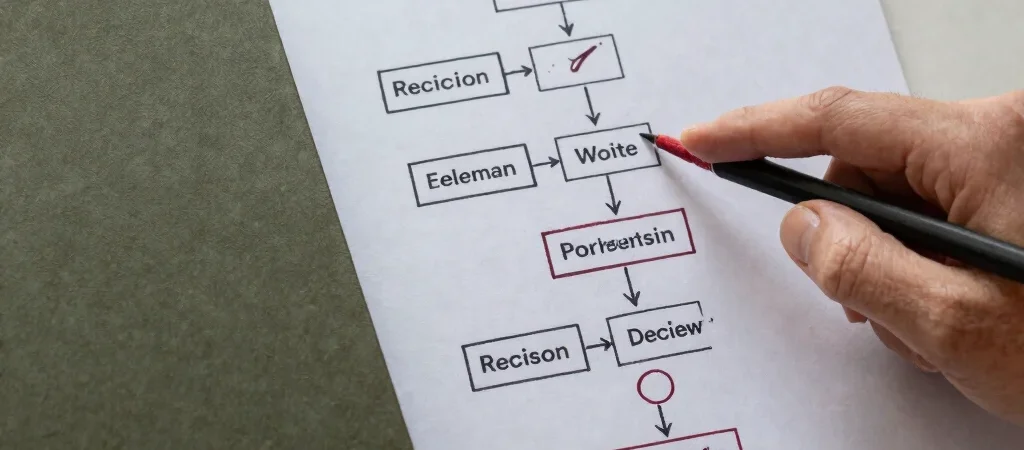
Put the check where the work happens: a reviewer confirms key facts before a response goes out, a team can flag a misrouted case, or a manager can see when an automated recommendation was overridden. A rule that staff cannot follow during a busy workday is unlikely to protect anyone consistently. Good governance is legible at the point of use.
Ask what information enters the system, who can access its output, and how long records need to be kept. The answers will vary with the organization, the task, and the applicable rules, so they should be checked with the right internal or local expertise. Recording those decisions makes later review possible.
Make learning part of oversight
A launch review is a beginning, not a guarantee that a system will remain suitable. Assign an owner to revisit complaints, unexpected outputs, process changes, and whether the original use still makes sense. This does not need to become a grand committee; it does need a named person and a clear route for raising concerns.
The point of governance is not to slow every experiment. It is to make the useful experiments easier to trust and the risky ones easier to question. If people can tell who is responsible, what the system may do, and how to challenge a result, governance is already part of the product.